



Dhaka Bureau: International Monetary Fund (IMF) Deputy Managing Director (DMD) Antoinette M. Sayeh arrived in Dhaka on Saturday (January 14) afternoon on a five-day visit. He will stay in Dhaka till January 18. At this time, he will meet with Prime Minister Sheikh Hasina, Finance Minister AHM Mustafa Kamal, Bangladesh Bank Governor Abdur Rauf Talukder, Senior Secretary of Finance Department Fatima Yasmin and other senior government officials. In these meetings, discussions will be finalized on giving a loan of 450 million dollars to Bangladesh to deal with the economic recession.
IMF says on Dhaka visit, inflation has increased in Bangladesh. The IMF supports Bangladesh’s economic growth and stability to keep inflation under control. Monsieur Sayeh is visiting Dhaka to finalize the $450 million loan support plan.
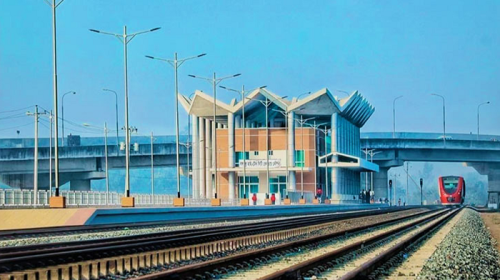
According to sources, the Governor of Bangladesh Bank will have a meeting with Abdur Rauf Talukder on Sunday. After this, there is a meeting with the Prime Minister on January 16. He will visit Padma Setu on January 18 and will leave Dhaka on the same day.
The IMF said Sayeh will report to the IMF headquarters on discussions at various levels of the government regarding the provision of a $4.5 billion loan to Bangladesh to combat the global recession. The report will be presented at the IMF board meeting. Based on this, the process of giving a loan of 4.5 billion dollars to Bangladesh will be finalized.
According to the IMF, Bangladesh’s economy is on the brink of crisis due to trade deficit, rising energy costs, rising inflation and shrinking foreign exchange reserves. Due to these reasons, consumers have changed in terms of spending, i.e. consumers are able to spend less. Economic progress is also faltering.
The organization hopes that the loan that Bangladesh is getting from the IMF will help Bangladesh’s economy. The IMF sees the loan as largely a precautionary measure for Dhaka to deal with rising inflation, in addition to boosting state funds and increasing foreign exchange reserves.
According to the IMF, the $4.5 billion loan will depress commodity prices in the short term. At the same time following their advice will allow Bangladesh to take precautionary measures. As fuel prices rise, medium-term stability depends on reducing inflation and increasing commodity exports.
Earlier, the IMF said that Bangladesh would pay $4.5 billion in seven installments over three and a half years when it asked for a loan last July. The first installment is due next month.